







Retinol 101: What It Is and Why Your Skin Loves It
If there’s one skincare ingredient that consistently earns its reputation, it’s retinol. Known for smoothing fine lines, improving texture, and boosting radiance, retinol is often called the gold standard in skincare—and for good reason.
But with all the hype can come confusion. What exactly is retinol? How does it work? And is it right for your skin?
Let’s break it down.

What Is Retinol?
Retinol is a derivative of vitamin A, a powerhouse ingredient that plays a key role in skin cell turnover and renewal. It belongs to a larger family of compounds called retinoids, which are used to treat everything from acne to signs of aging.
When applied to the skin, retinol works by encouraging cells to turn over more quickly, helping to shed old, dull skin and bring fresher, healthier skin to the surface.
In simpler terms? Retinol helps your skin act younger.
What Does Retinol Actually Do?
Retinol works below the surface to improve how your skin looks and behaves over time. Here’s what it’s known for:
- Smoothing fine lines and wrinkles – By stimulating collagen production, retinol helps improve skin’s firmness and reduce the appearance of lines.
- Improving texture – It refines rough or uneven skin, leaving it softer and smoother.
- Boosting radiance – Faster cell turnover means less buildup of dull, dead skin.
- Clearing pores – Retinol helps prevent clogged pores, making it beneficial for acne-prone skin.
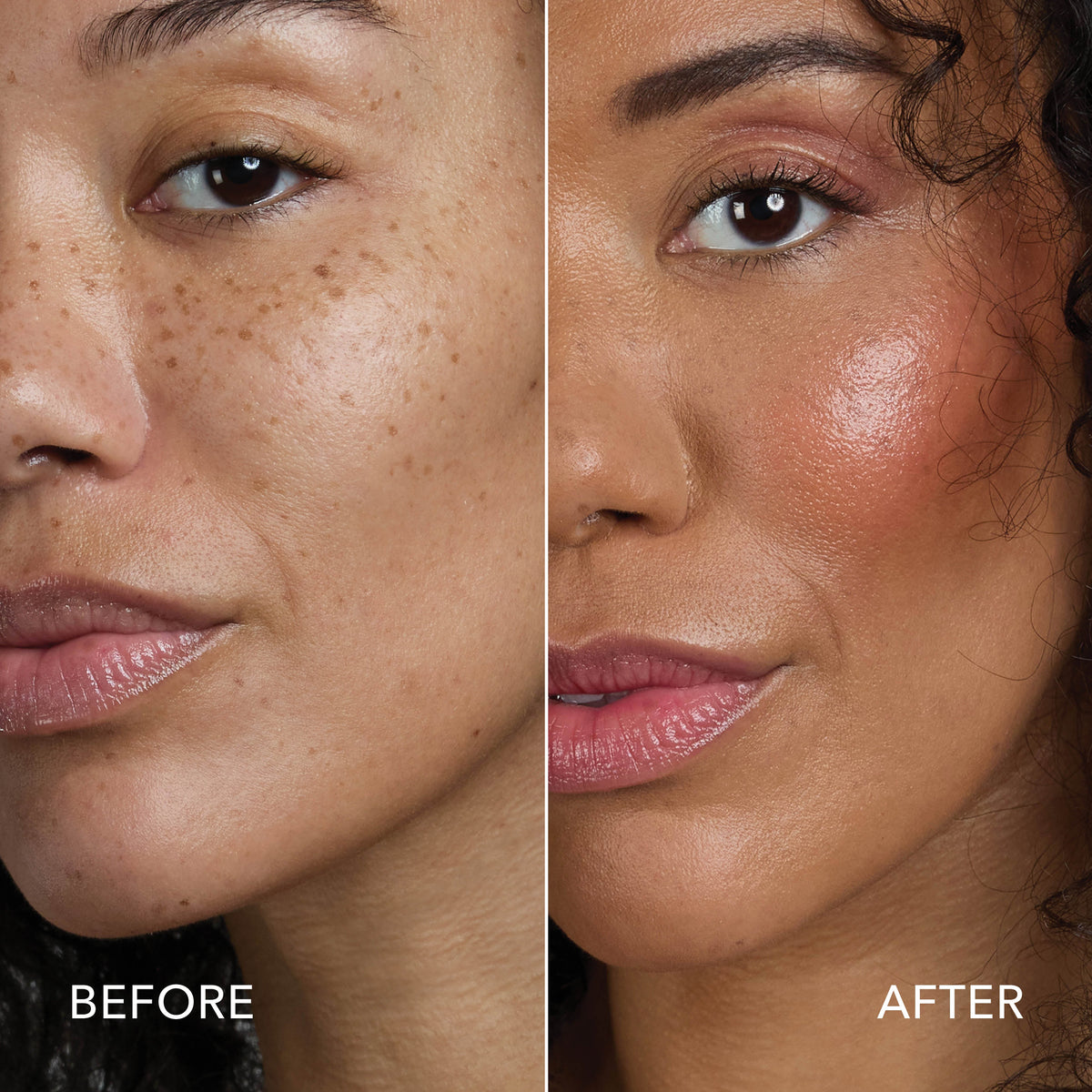
- Evening tone – It can help fade dark spots and discoloration over time.
The result? Skin that looks clearer, brighter, and more refined.
Why Should You Care?
Starting in your 20s and 30s, your skin’s natural renewal process begins to slow down. That’s when you might notice dullness, uneven tone, or the early appearance of fine lines.
Retinol helps restart that slowing process, making it one of the most effective ingredients for both preventing and addressing visible signs of aging.
It’s also versatile. Whether your goal is smoother texture, clearer skin, or a more even complexion, retinol can help get you there.

How to Use Retinol (Without Overdoing It)
Retinol is powerful, which means using it correctly is key to getting results without irritation.
- Start slow: Use 2–3 times per week at night to begin and gradually increase frequency as your skin adjusts
- Apply at night: Retinol can make your skin more sensitive to sunlight, so it’s best used in your evening routine.
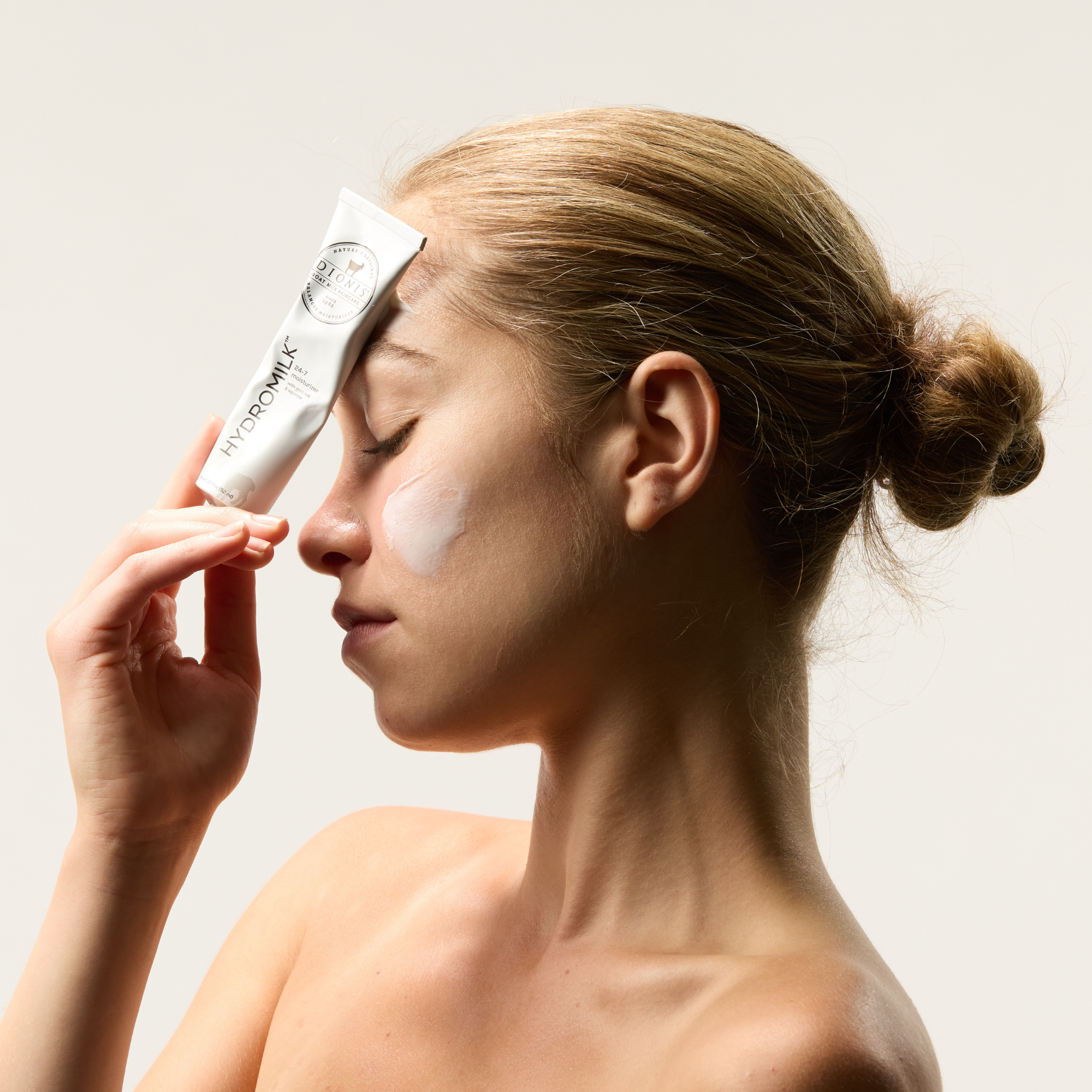
- Use a small amount: A little goes a long way, just use enough to cover your desired area.
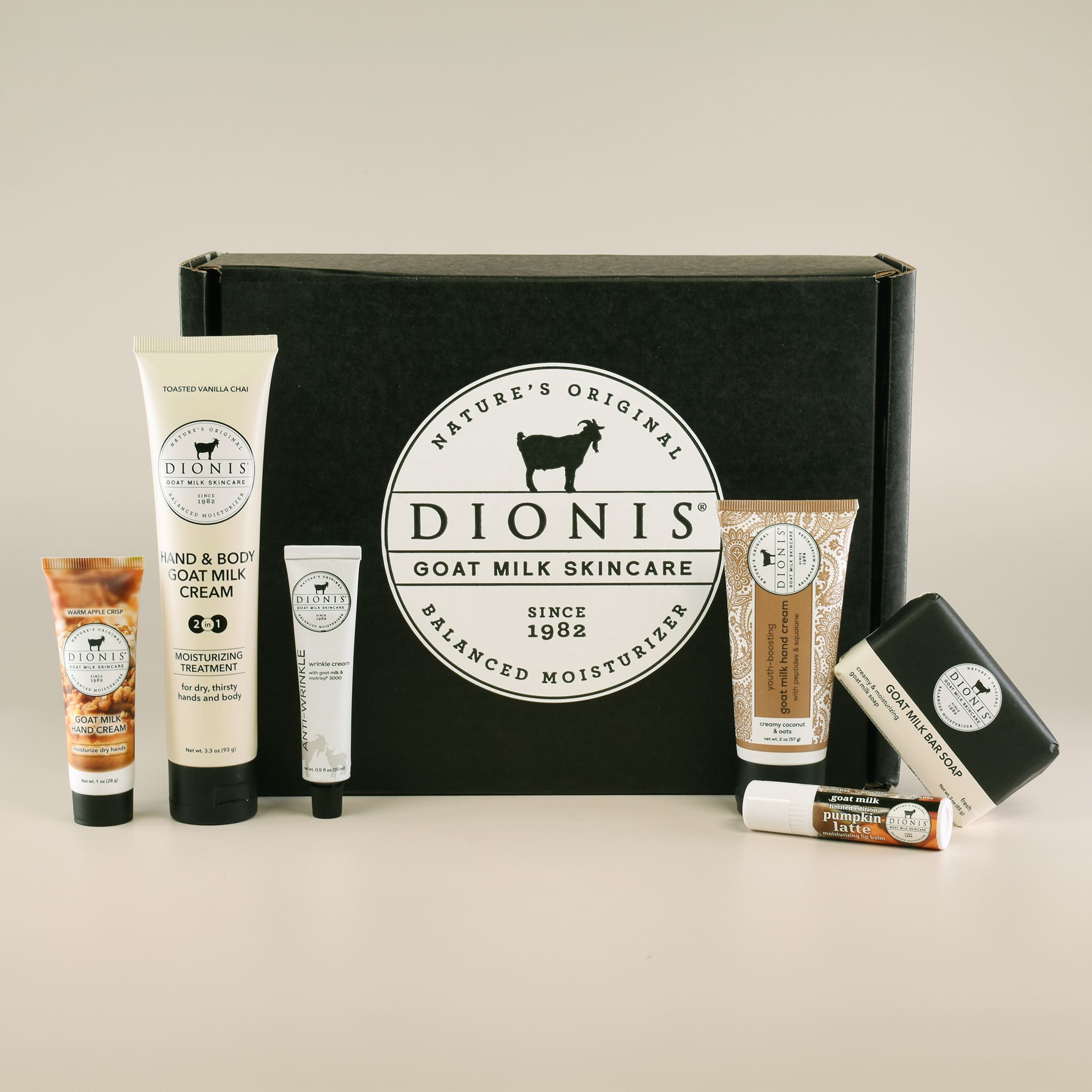
- Moisturize: Follow with a hydrating moisturizer to support your skin barrier and reduce dryness. Dionis Goat Milk Body Lotion with Retinol covers two steps in one.
- Always wear SPF: Daily sunscreen is non-negotiable when using retinol, as your skin will be more sun-sensitive.
What to Expect
When starting retinol, it’s normal to experience a short adjustment period. You might notice mild dryness, flaking, or sensitivity at first. This is often referred to as the “retinol phase.”
The key is consistency and patience. Most people begin to see visible improvements in texture and tone within a few weeks, with more significant results over time.
Is Retinol for Everyone?
Retinol works for many skin types, but it’s not one-size-fits-all.
- If you have sensitive skin, start with a lower concentration and use it less frequently
- If your skin is very dry or compromised, focus on barrier repair before introducing retinol
- If you’re unsure, it’s always a good idea to patch test or consult a professional
The Key Takeaway
Retinol isn’t just a trend—it’s one of the most well-researched and effective ingredients in skincare. From smoothing fine lines to improving overall skin clarity, it delivers real, visible results when used consistently and correctly.
If you’re looking to upgrade your routine with an ingredient that truly works, retinol is a strong place to start. Your future skin will thank you.